


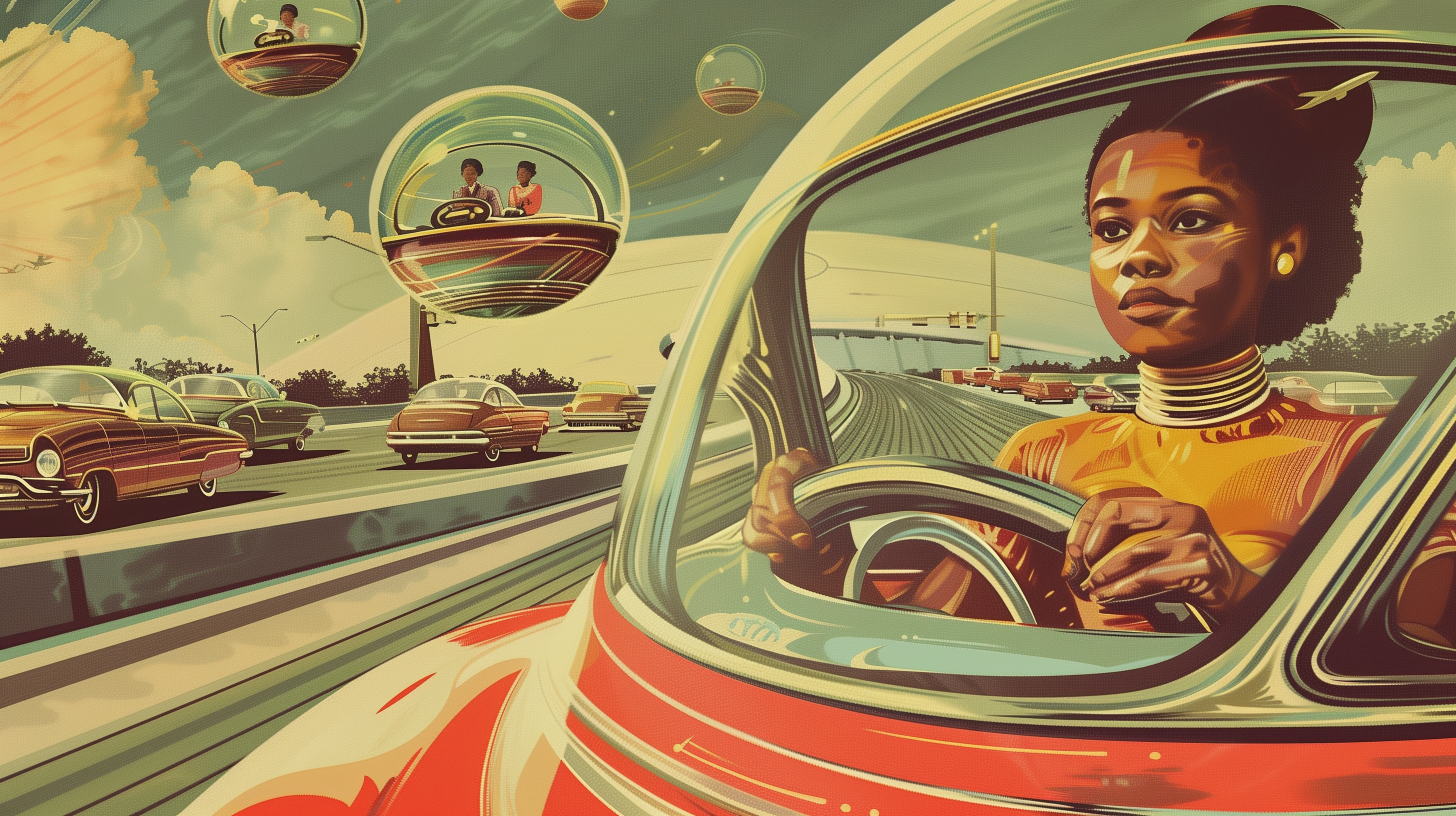
This article from NPR about Millennials and Public Transportation was quite eye-opening. “According to a University of Michigan study, the number of people under 30 with driver’s licenses has been steadily declining.” This article, among many others found when searching the web, cites the cost and hassle of car ownership, traffic, ubiquity of parking lots, and public transportation being “cute” as reasons for why the younger generation apparently loves public transportation.
However, public transportation is not without faults of its own. The article mentioned above talks about the increasing costs of running public transportation, and shrinking capital for funding such costs due to a reliance on steady and consistent ridership, which is on the decline.
Despite what Millennials and Gen-Z say in polls, and when prompted by journalists, Revealed Preference is butting its ugly head yet again with the fact that nobody actually wants to take public transportation, which is leading to dramatically evaporating ridership, and because of the reliance on fares, is causing an ominous “death spiral.”
Still, people have not given up hope. People seem to really love trains. I think with some small optimizations, we can arrive at a solution for declining ridership with a proposal that I would like to call “The Most Futuristic Train.” Outlined below are some of these optimizations, all of which are purely technological, and thus doesn’t require any new legislation or rules.
The “Last Mile” Problem
One of the biggest challenges with public transportation is the gap between transit stations (bus stops, train stations, etc) and riders’ origin or final destination. This is known as the “last mile” problem, which probably got such a name due to a myriad of companies that have arrived on the scene in attempt to solve this problem.
This problem is even worse in areas with bad weather. California, which is ironically extremely car-centric, is perfectly walkable almost year-round. Yet, residents in Yakutsk, Siberia (formerly part of the Soviet Union) mostly rely on public transportation. From my personal account of taking public transportation, walking in terrible weather from my home/work to a nearby transit hub is definitely one of the worst things about the experience.
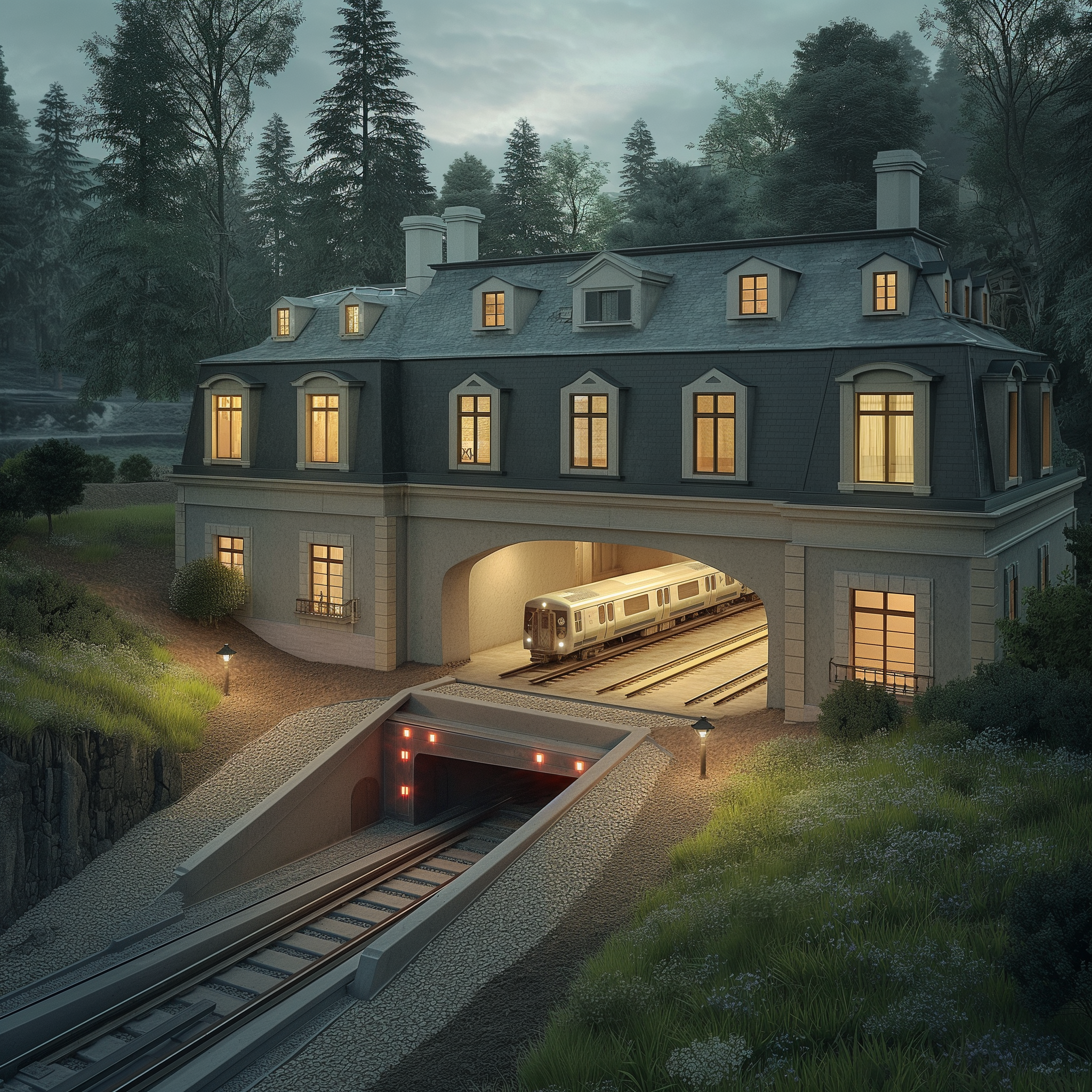
With the theoretical Most Futuristic Train, this could be solved with every person having a train station inside of their home, built in such a way where you don’t even have to go outside to get to it. There can be a door from your kitchen straight into the transit station, perfect for snowy days.
Delays
Things are getting worse and worse for the BART in San Francisco. Delays, canceled trains, maintenance challenges, and difficulty in delivering the promised new trains all resulted in 2022 being the worst year on record for reliability.
Delays aren’t an issue unique to San Francisco, either. In Europe, the most common cause of delays are labor unions, alongside all the same challenges as BART in San Francisco, albeit with probably better weather preparedness.
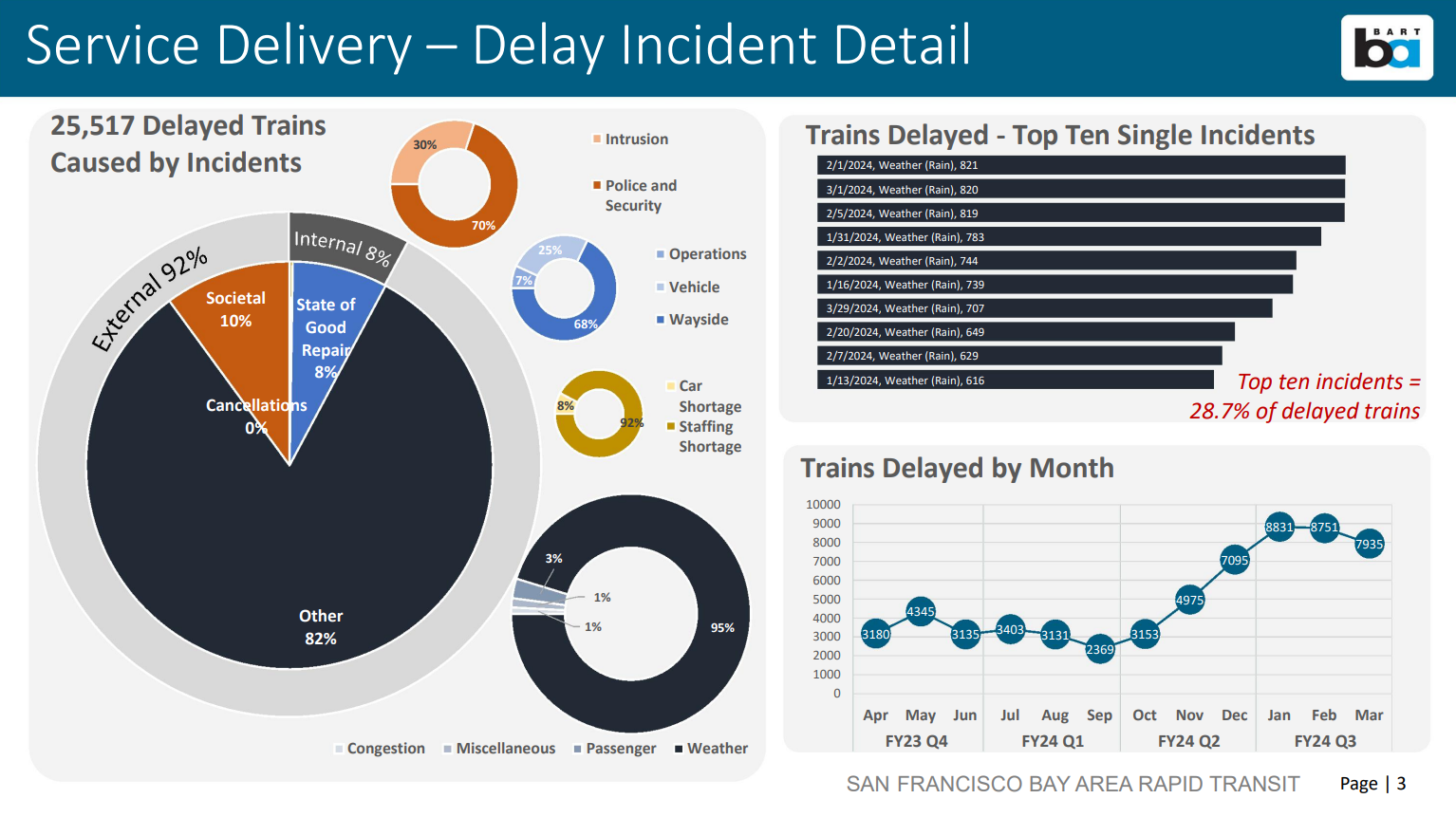
Common to both trains in Europe and San Francisco, however, are operational incidents like people/objects on the tracks, which is especially a problem in dense urban areas most commonly served by public transit. Obstructions on tracks, which can be caused accidentally via a storm, for example, or on purpose with someone simply throwing a steel beam onto the tracks, can mean a substantial number of passengers will not arrive at their destination on time, if at all.
It goes without saying that the problem of having only a single path for trains to go through is a significant bottleneck for the entire train system. All it takes is one giant boulder or tree stump to be in the way to cause delays all the way from Walnut Creek to the San Francisco Airport.
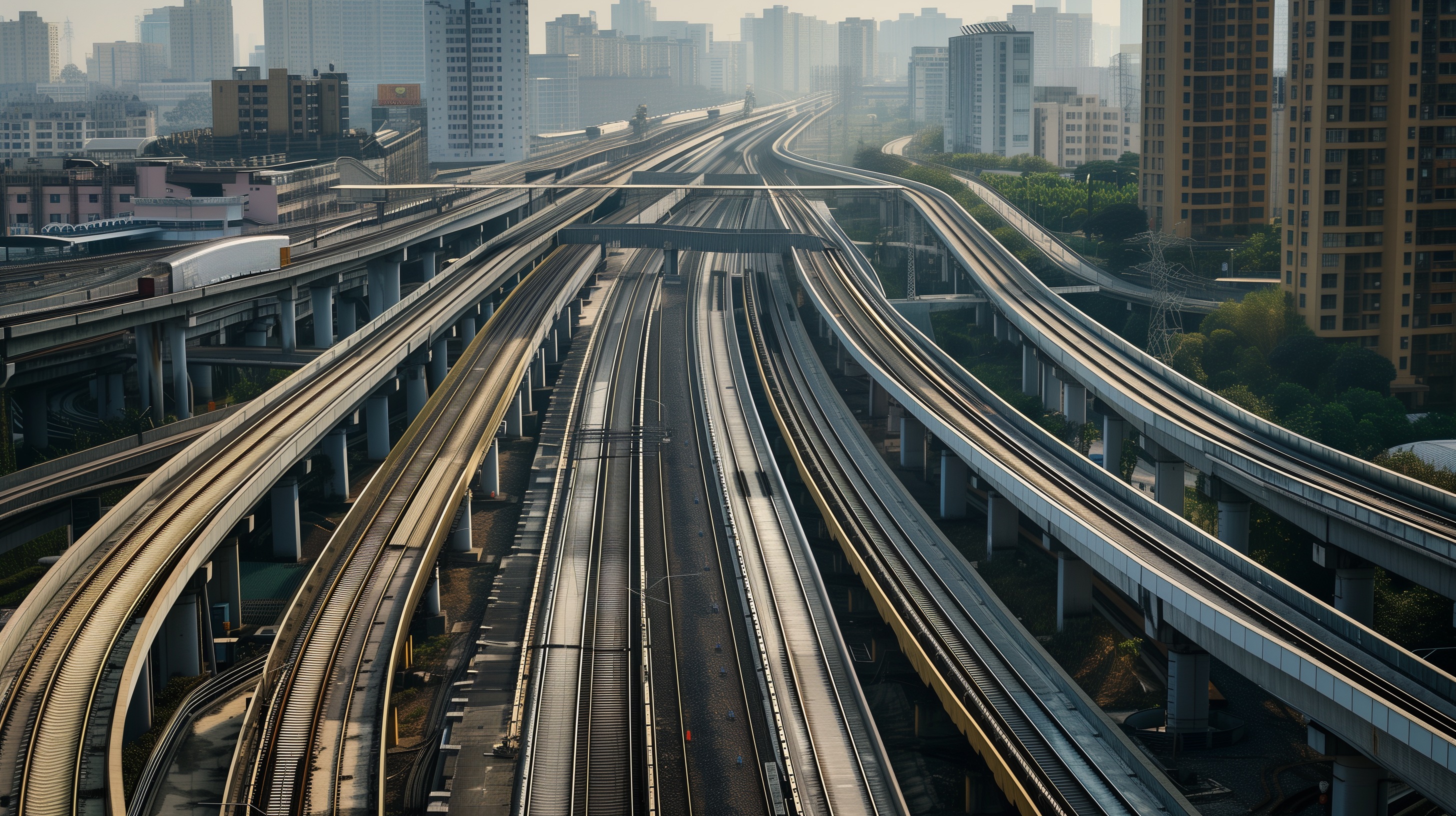
The Most Futuristic Train could solve this by building several parallel tracks for redundancy, with trains being able to “change lanes” between these tracks, in case one of them is blocked.
In addition to the ability to change tracks dynamically, the train system could be adapted to be driven by the passengers instead of by labor unions, eliminating delays caused by illness, short-staffing, or labor strikes. Think of a very large electric bicycle—with handles and controls in each train car that allow the passengers to control the direction and acceleration of the locomotive. With enough technological investment, this could even be completely automated to the extent where you don’t even need to train the passengers on how to operate the locomotive.
Power Efficiency
Another difficult thing about maintaining a public transit network, especially an electric train, is the problem of power transmission and utilization. Since trains need to make frequent starts and stops at all train stations, this becomes even more of a problem the longer the train is, since it adds more weight, and thus requires even more power to start the locomotion from a resting state.
From a cost-per-mile perspective, it’s important to keep in mind that the electrification of rail in Europe also required significant infrastructure development to support the three-phase high voltage supply needed to run the trains. From step-down transformers required every few miles, to railway feeder stations required alongside the tracks, to Switchgear stations required to feed all of that, to the civil engineering required to adapt existing bridges and other city infrastructure, the amount of infrastructure investment for every new mile of rail is absolutely massive, and maintaining it is doubly so.
One of the ways to massively alleviate the issue of power generation and efficiency is to move power generation to be onboard the locomotives. This completely eliminates the need to transmit electricity over long distances, thus eliminating a significant amount of the infrastructure required to build and maintain new miles of rail.
The implementation of such an idea is not exactly straightforward, however. While moving back to gasoline powered engines would be ideal in terms of power efficiency, this would be a step backward for reducing pollution in cities, which is already a major problem. Large gasoline powered engines are also extremely noisy. The Caltrain in the San Francisco Bay Area is powered using giant diesel engines, and because of this, the property values near the Caltrain are significantly lower than those further away 1.
To make matters even worse for climate change, since most public transit in the US (including the Caltrain) is operated by the government, these entities operate outside of the free market, which means things like fuel/energy consumption are not at all considered when operating the lines, since these are just demanded as part of the annual budget. This negligence is especially evident when searching online for complaints about the Caltrain idling trains all night long, a practice which I can personally attest to being able to hear nearly halfway across the city in my home.
Placing chargeable batteries on-board doesn’t exactly solve the problem either, since even lithium ion batteries which have a relatively large power per unit of weight still add a significant amount of weight onboard the locomotive, which as mentioned above, will require more energy to move around.
The Most Futuristic Train proposes two new ideas for solving this problem: significantly smaller train cars, with train cars being able to charge at train stations when not being used. Since solar energy is becoming cheaper and cheaper, one could even imagine solar arrays at every train station, allowing the trains to be charged almost entirely with solar energy. Since the Most Futuristic Train also runs along several parallel tracks, as discussed above, these train cars could charge at their respective stations without blocking the rest of the line.
Not only are smaller train cars better for fighting against climate change, there are a lot of other really compelling features that sprout from this single design idea, that will be further discussed below.
“Societal” Issues
The Montgomery Bus Boycott was a civil rights protest in Montgomery, Alabama that took place from December 5th, 1955 to December 20th the following year. The protest started because of a very famous incident in American History known as the Rosa Parks incident, where a young black woman was forced to vacate her seat at the front of the bus for a white passenger.
Mrs. Parks was forced to vacate her seat because of a Montgomery city ordinance that actually required black passengers to relocate to the back of the bus if the front half of the bus, which was reserved for whites, was full. This is despite the fact that black passengers paid the same fare price as white passengers.
Such humiliation would likely instantly destroy any business that relied on reputation to maintain a steady stream of customers, but since the bus system was monopolized by the city government, Rosa Parks ended up getting evicted from the bus and fined for refusing to vacate her seat. Fortunately, in this case, the court system functioned properly when after the boycott, the ordinance was found by a Montgomery federal court to violate the fourteenth amendment.
While victory prevailed (eventually) following the Montgomery Bus Boycott, issues of racial segregation and discriminatory pricing still continued to exist through the early 20th century, where streetcar operators would charge black passengers higher fares than white passengers. This wasn’t just an issue in the South; the Los Angeles Railway system also implemented discriminatory pricing into the 20th century as well.
Even as recent as 2021, there have been discriminatory policing practices in New York City and San Francisco, where black and Hispanic commuters were disproportionately targeted for fare evasion enforcement by the NYPD and SFPD respectively.
Besides racist policing, Asian Muni passengers in San Francisco are frequently targeted with anti-Asian slurs on public transportation, even in 2024! One of the major causes of decline in public transportation ridership in the San Francisco Bay Area is feeling unsafe; harassment, and even violence (as documented in the linked article) is commonplace on BART and Muni.
Even in Japan, which probably has the safest (privatized, for-profit) public transit in the world, had to implement “Women-only passenger cars” to combat “lewd conduct” against women. Apparently the problem is getting worse; from Wikipedia:
Groping in crowded trains has been a problem in Japan: according to National Police Agency and Ministry of Justice, the number of reported indecent assault in subway carriages in nationwide Japan between 2005 and 2014 ranges from 283 to 497 cases each year. The police and railway companies responded with poster campaigns to raise awareness and with tougher sentences, but incidence continues to increase. In 2004, the Tokyo police reported a threefold increase in reported cases of groping on public transportation over eight years.
With the proposed Most Futuristic Train idea of having significantly smaller cars, passengers can finally be free of harassment and violence, without having to petition the government to attempt to provide more security, which has an unfortunate cyclical effect of being disproportionately and unfairly targeted towards certain groups of people.
Comfort and Health
Comfort and noise is often cited as a complaint about trains and other forms of public transportation. The screeching sound that the metal rails make on the BART in San Francisco is so loud, it has journalists wondering if it damages eardrums. From personal experience, I can attest that even wearing noise canceling headphones isn’t enough to block out the horrendous screeching noise.
Making trains quieter is not at all a trivial process. From the linked article:
In order to get that done, the crew at BART has taken on the laborious process of reshaping the wheel on every car, while also smoothing out more than 1,000 miles of track. There are more than 100 miles of BART tracks, but the tracks require 10 passes to smooth out for this project.
The underground noise most riders hear is caused by wear known as rail corrugation, or “speed bumps that develop on the rail,” as BART Principal Track Engineer Gregory Shivy described it. By reshaping wheels and the refinished tracks, BART rides are almost 20 decibels quieter than before, according to BART officials.
Unfortunately the new train cars on BART are still incredibly noisy, with vibration and doors rattling still being an issue. It’s even worse in the transbay tube (that connects San Francisco and Oakland) because maintenance there is so difficult to perform and due to the closed environment.
The Most Futuristic Train proposes to solve this issue with a radical redesign of how the locomotive meets the ground, by using wheels encased in a pneumatic rubber layer, guarded by a hydraulic suspension system. The pneumatic protection layer would glide across tracks made of a smooth concrete pavement guaranteeing a comfortable and quiet ride. Since the train cars would be significantly smaller, as detailed above, there aren’t the same weight constraints present when having to deal with extremely heavy train cars, making this possible.
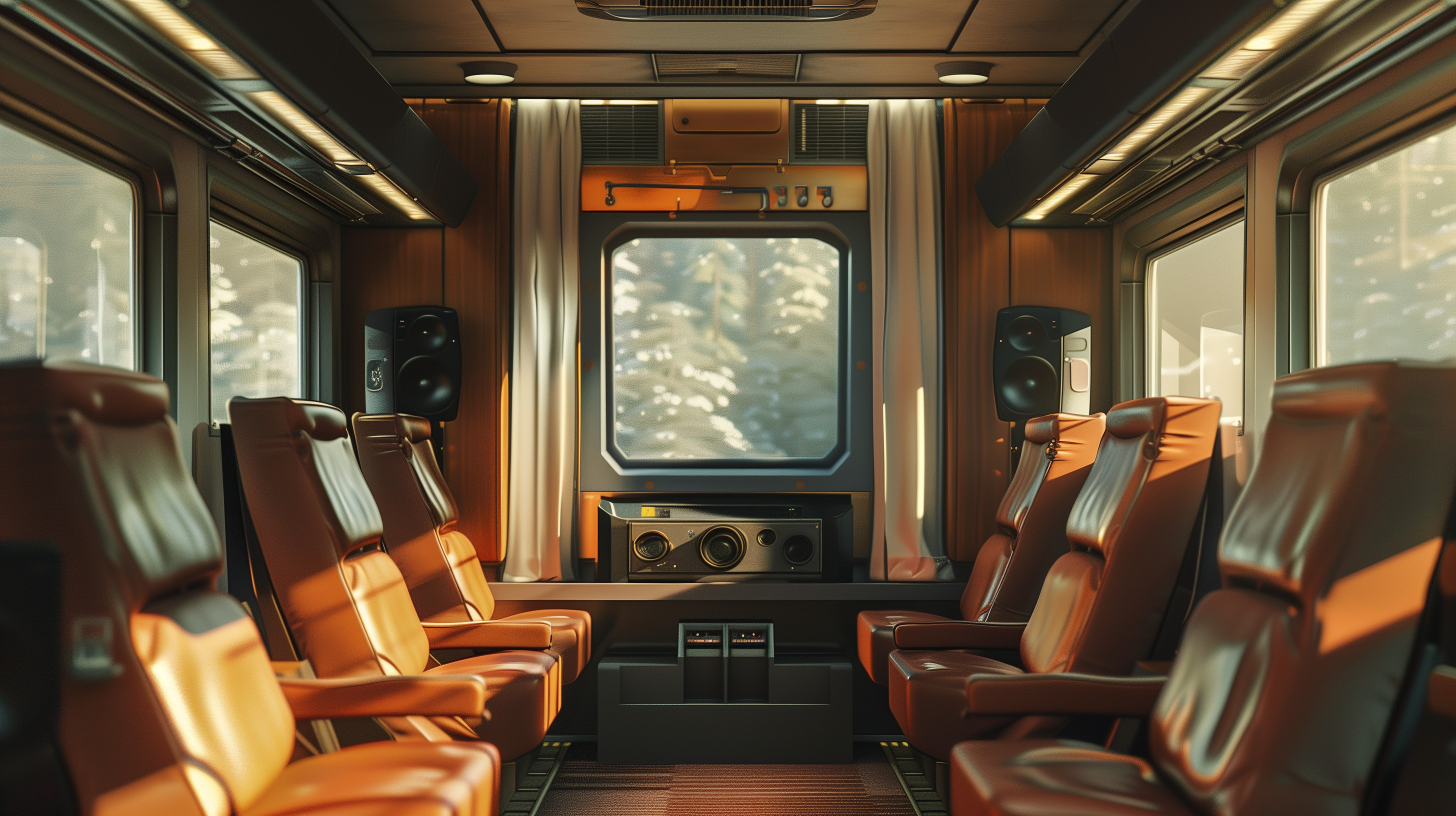
Since rail noise has been effectively eliminated, this also leads to the possibility of other significant comfort enhancements that weren’t possible with the old train car design, such as the addition of a multi-speaker, surround sound stereo system. One family per train car means you could play whatever music you wanted, without disturbing any fellow passengers.
One of the other major issues regarding comfort on large trains, especially in areas with extreme weather, is the problem of train cars getting way too hot. Even in Tokyo, which has the best train system in the world, cases of heatstroke on trains is common.
“More passengers become sick in crowded trains in summer because heat and odors stay inside the trains,” a railway official said.
According to the Tokyo Fire Department, 346 people were sent to the hospital from stations and trains with apparent heatstroke from June to September 2018, three times more than the previous year. The Fukuoka Fire Prevention Bureau reported 15 people, and the Nagoya City Fire Bureau reported 74 when the number of sufferers at bus terminals were included. The Osaka City Fire Department said ambulances were dispatched 89 times.
Heatstroke among passengers can also cause delays in train schedules. If trains stop between stations for a long time, more passengers may suffer health problems. Countermeasures against heat are crucial tasks for railway companies.
I know what you’re thinking, but the increase in heatstroke cases is not caused by hotter days in Tokyo, but rather over-congestion:
the average congestion rate in major railways in fiscal 2017 was 163 percent in the Tokyo metropolitan areas and 125 percent in the Osaka metropolitan areas, with the rate reaching close to 200 percent in some zones during commuting hours
When not commuting during commuting hours2, my personal anecdote is that the trains in Tokyo are usually very comfortable. JR, being a Japanese company, takes customer service and the comfort of their passengers very seriously, but unfortunately not everyone can be satisfied with the same temperature. The article linked mentions, for example, that men often find the trains to be too warm, and women find the trains to be too cold. You can’t please everybody.
The Most Futuristic Train solves this issue with each train car having its own air conditioning system, configured by the family in that train car. The health of the passengers would be drastically improved, with issues like heatstroke and massive discomforts being a thing of the past.
With the increased trust of the Most Futuristic Train, one could even imagine replacing hard, rigid plastic seats with fully reclinable, plushy leather seats. Perhaps even with cupholders!
Impact
I suspect if such a futuristic train were ever to be implemented, it would have a really drastic impact on society. Magazines would be written about all the different train cars you could ride in. Songs would be written about the newfound freedom, safety, and excitement about a new way to get around. With power generation on board and no longer bound by a single city’s infrastructure, books would be written about grand adventures taken on the Most Futuristic Train. There would be TV shows and video games about people riding it just for fun, not even to go anywhere. People would immediately move en masse to places in the country with better support for the new type of train.
Of course, not all of the impact will be positive. Some people might try to make access to the Most Futuristic Train only available to rich people. Others will attempt to invent inane conspiracy theories about why people wanted to switch to the Most Futuristic Train in the first place.
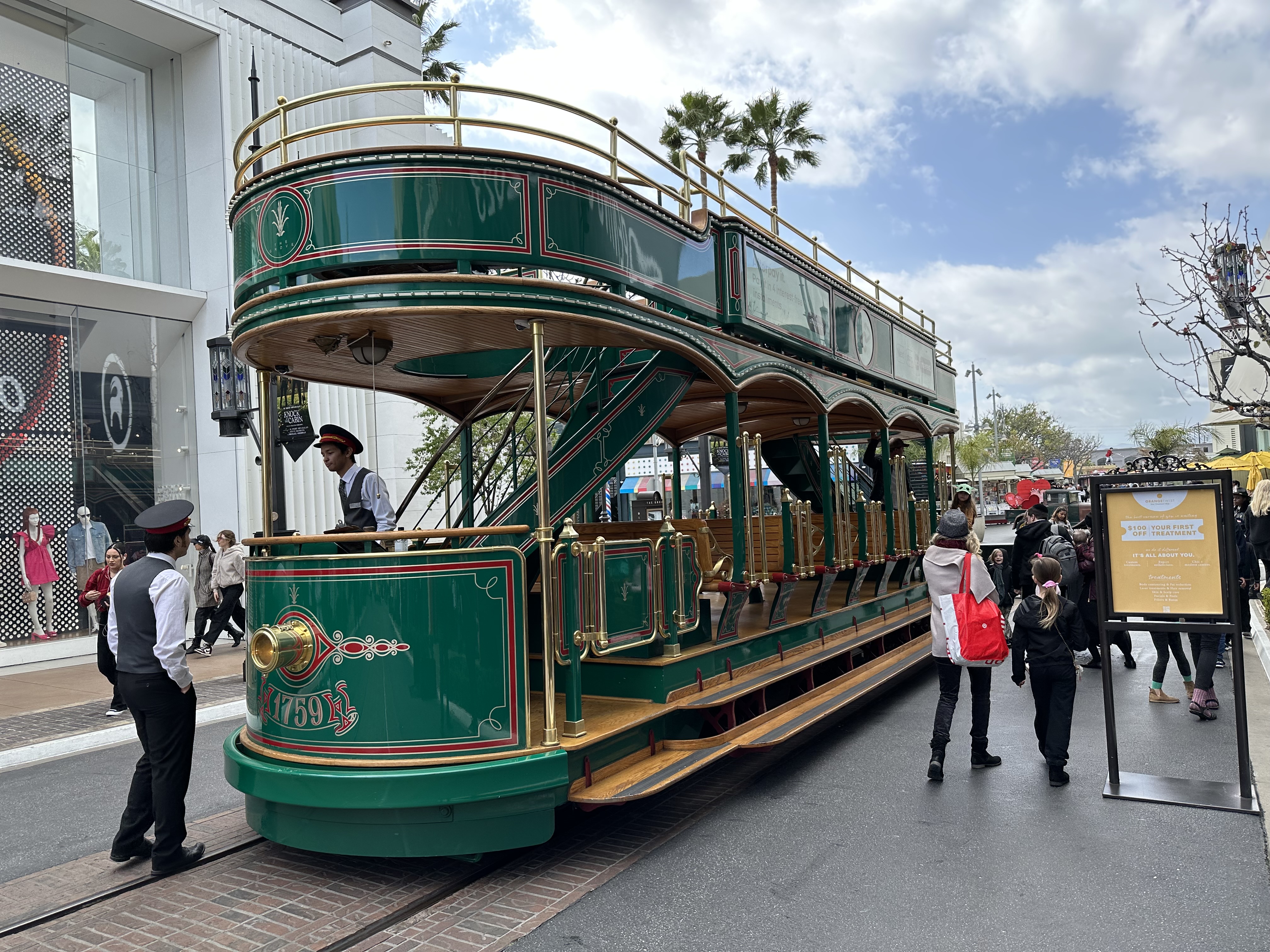
Fortunately, technology usually prevails. I suspect we might keep the old trains and streetcars around as a novelty, to remind us of how good we have it now, and how far we’ve come.
-
It’s hard to find hard data to support this online. You could look at Redfin or Zillow listings near the Caltrain, and you do find that there is a statistical difference between prices, but this doesn’t control for the kind of property for sale/lease near the Caltrain (usually small apartments or commercial). Reading between the lines of this article, however, leads one to believe that this is definitely true considering the fact that most of the property available to lease near the Caltrain tracks are considered “affordable housing.” ↩︎
-
Not commuting during commuting hours is only really common if you’re on vacation, which is why many Americans have fond memories of taking public transportation when traveling abroad. ↩︎